
How it all started
Once upon a time, there were two software engineers who had been working together for the past several years. Both of them have graduated from the computer science and software engineering university.
After building complex and robust software for businesses, individuals, and personal projects, they have decided to unite their knowledge and skills. Therefore, a software company called Peopleoid was born.
The meaning
"People-oid": combined by two words:
- People
- Android
The logo and company name have been inspired by the Chinese philosophical concept of the Yin-Yang symbol — the perfect balance.
Because we believe by balancing a mix of talented humans with modern technology, we can create something that used to be perceived as magic.
Our mission
We strive to create a friendly, cool, and fun environment that can satisfy both our employees and clients.
Employees (Peopleoids)
Within our environment, the employees are called "Peopleoids".
Our goal is to help our Peopleoids reach their maximum potential by solving difficult challenges. We believe that a healthy, positive environment increases productivity.
Helping each other and contributing value to each Peopleoid is essential for us. We do our best to make each Peopleoid's life at least a little bit better than the day before.
Clients (Humanoids)
Within our environment, the clients are called "Humanoids".
Our job is to organize talented Peopleoids to craft the Humanoid's vision exactly the way the Humanoid wants. We either use Scrum or Kanban methodology, depending on the project's complexity and requirements.
Because software development is a very complex and iterative process, following these methodologies will ensure the Humanoid that everything is going at right pace towards the deadline.
After each component is built, we let the Humanoid view, try, approve, or request changes before we move on. This way, the Humanoid gets informed with the latest changes as we build their vision together.
Our goal is to end up with a happy, satisfied Humanoid.
Bonus puzzle
Take a look at this Python code:
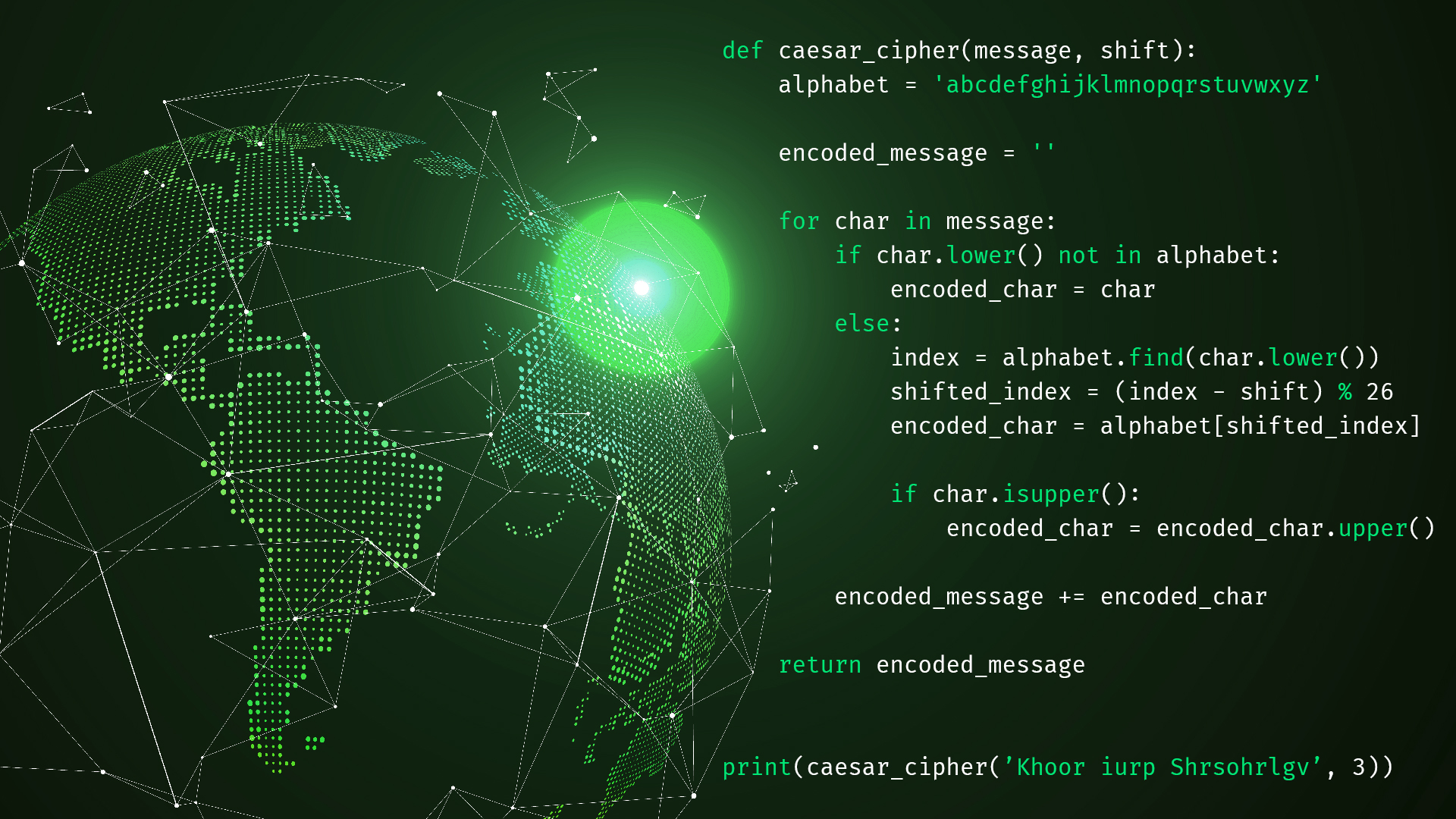
Without compiling the code or cheating, can you figure out what the output is?